MAKE IT YOURS
Superior GlassProtect Fibra.
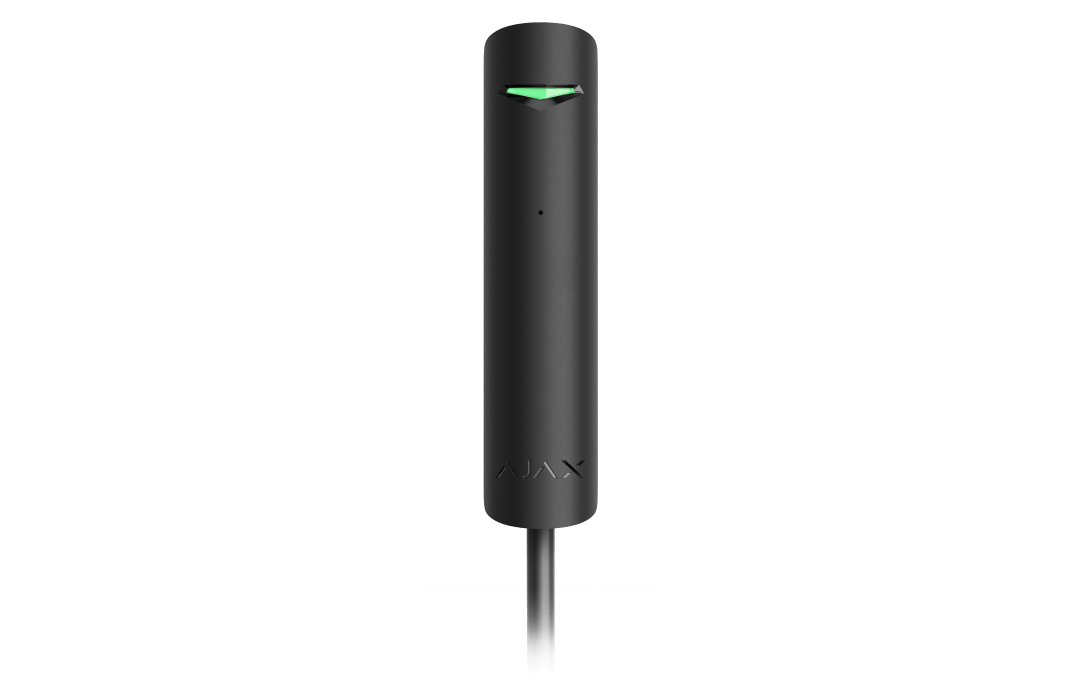
Wired glass break detector with a microphone
Standards and certifications
Superior GlassProtect Fibra · GP.Y.F. Manufacturer-listed marks; regional and installation conditions apply.
Listen for breaking glass through a wired connection.
Superior GlassProtect Fibra uses an electret microphone and the DualTone algorithm to recognise the characteristic sequence of glass breaking. It offers three sensitivity levels and remote testing through a compatible Ajax system. The Fibra cable carries power and events, while an additional NC input can bring a nearby wired opening contact into the same system.
Key features. At a glance.
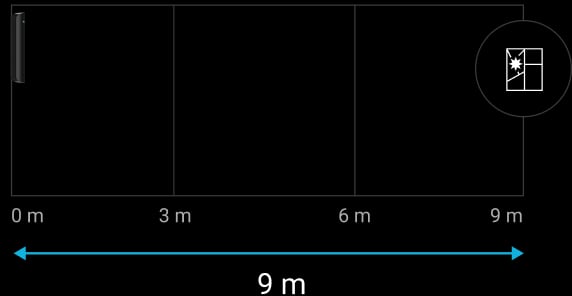
Up to 9 m1
glass break detection range
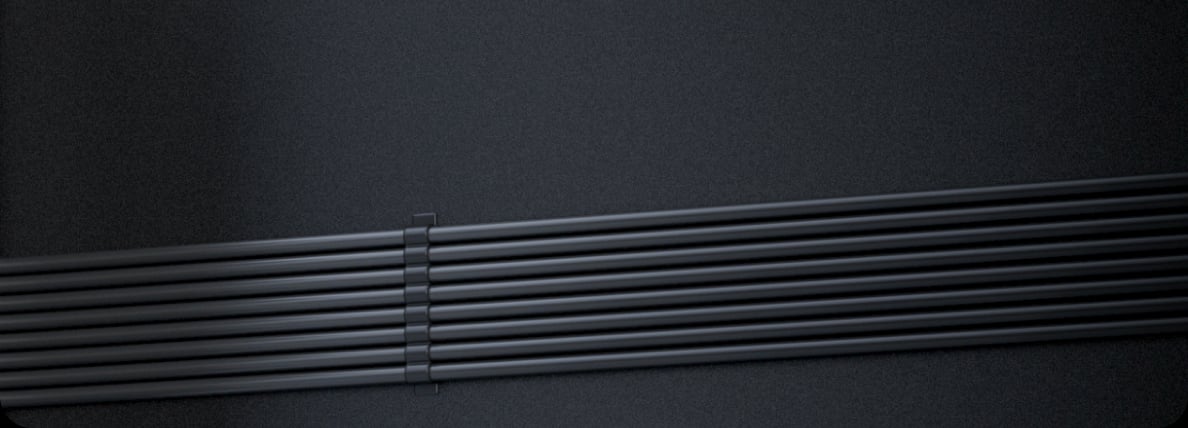
Up to 2,000 m2
communication range with an Ajax hub or a module that extends the Fibra line

Up to 0.047 W
low power consumption



digital algorithm that prevents false alarms
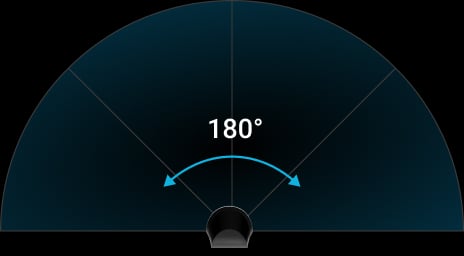
180° glass break detection angle
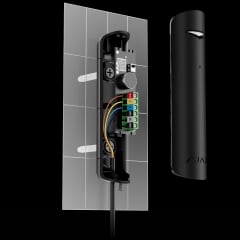
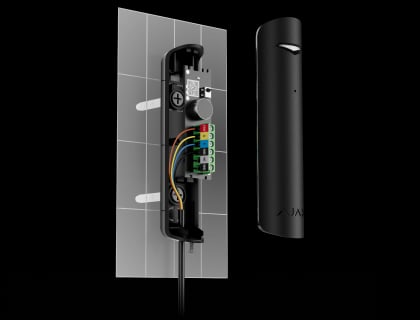
Easy wiring
with removable device board
Adaptable to any facility
with 3 sensitivity levels

Remote control and configuration
Informative push notifications


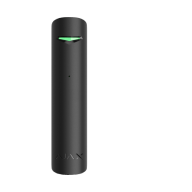
2 colors
of matte enclosure
Terminals
to connect a third-party NC detector


Power adjustment
- 1Range is measured in open space; walls and installation conditions reduce it.
- 2With U/UTP cat.5, 4 × 2 × 0.51 cable. Other cable types may have different values. Please use the Fibra power supply calculator to check the wired system project before installation.
Ajax product information ↗ · Superior GlassProtect Fibra specifications ↗
Protection in real places.
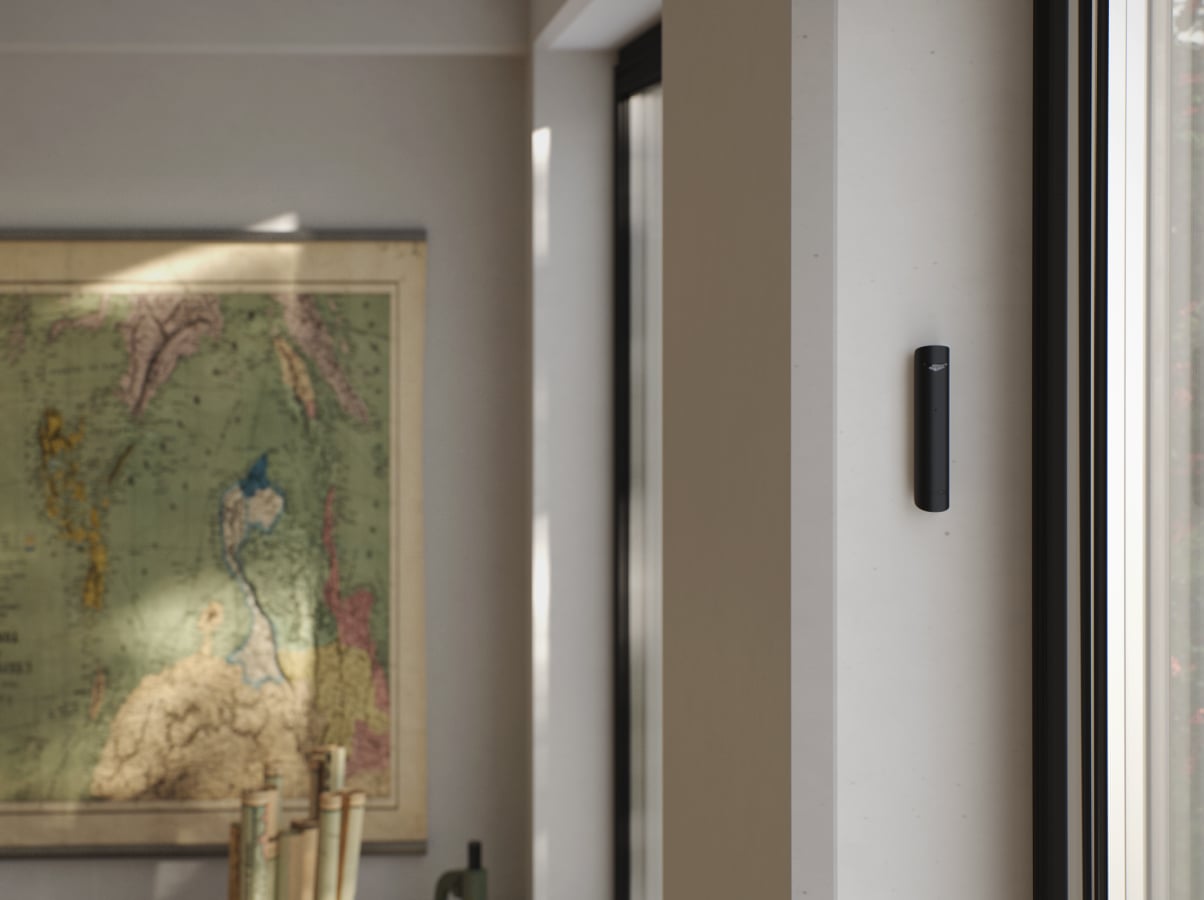
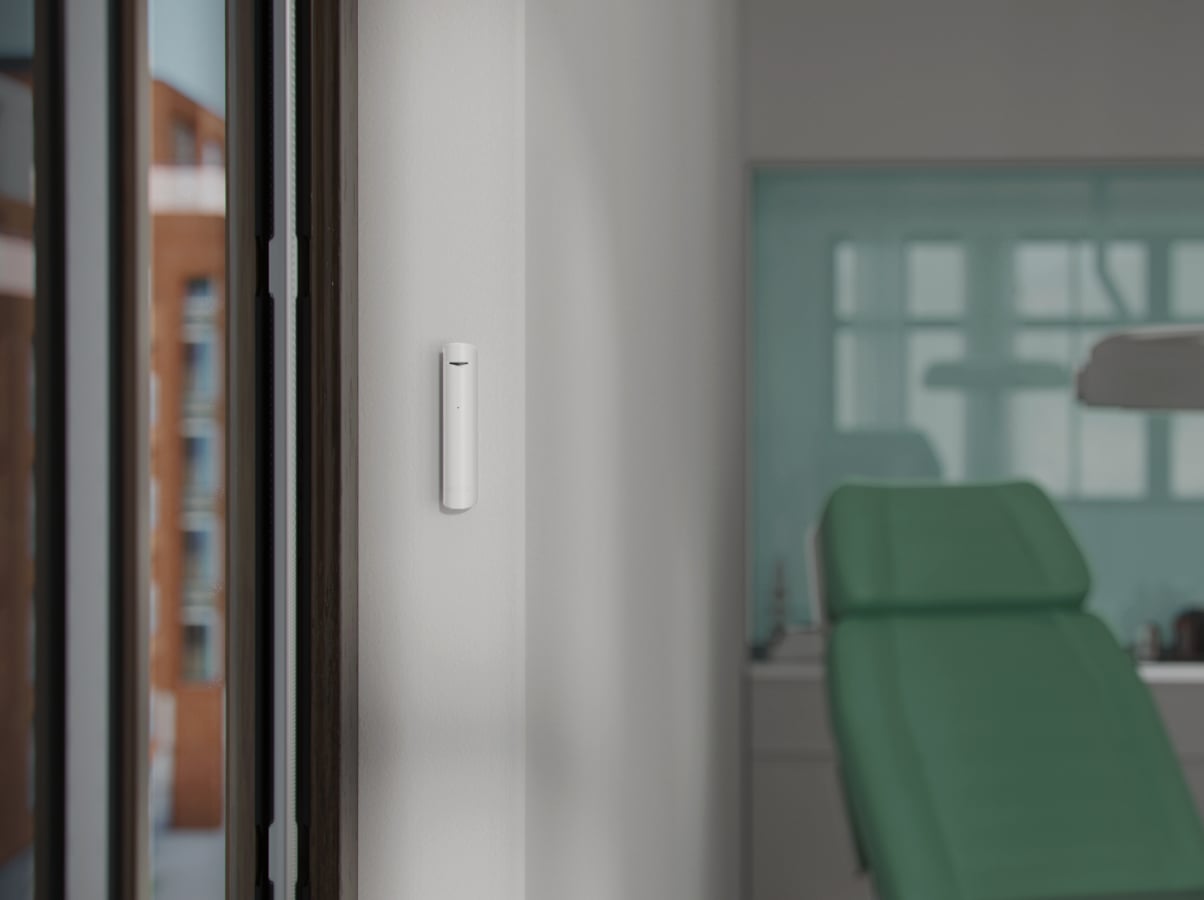
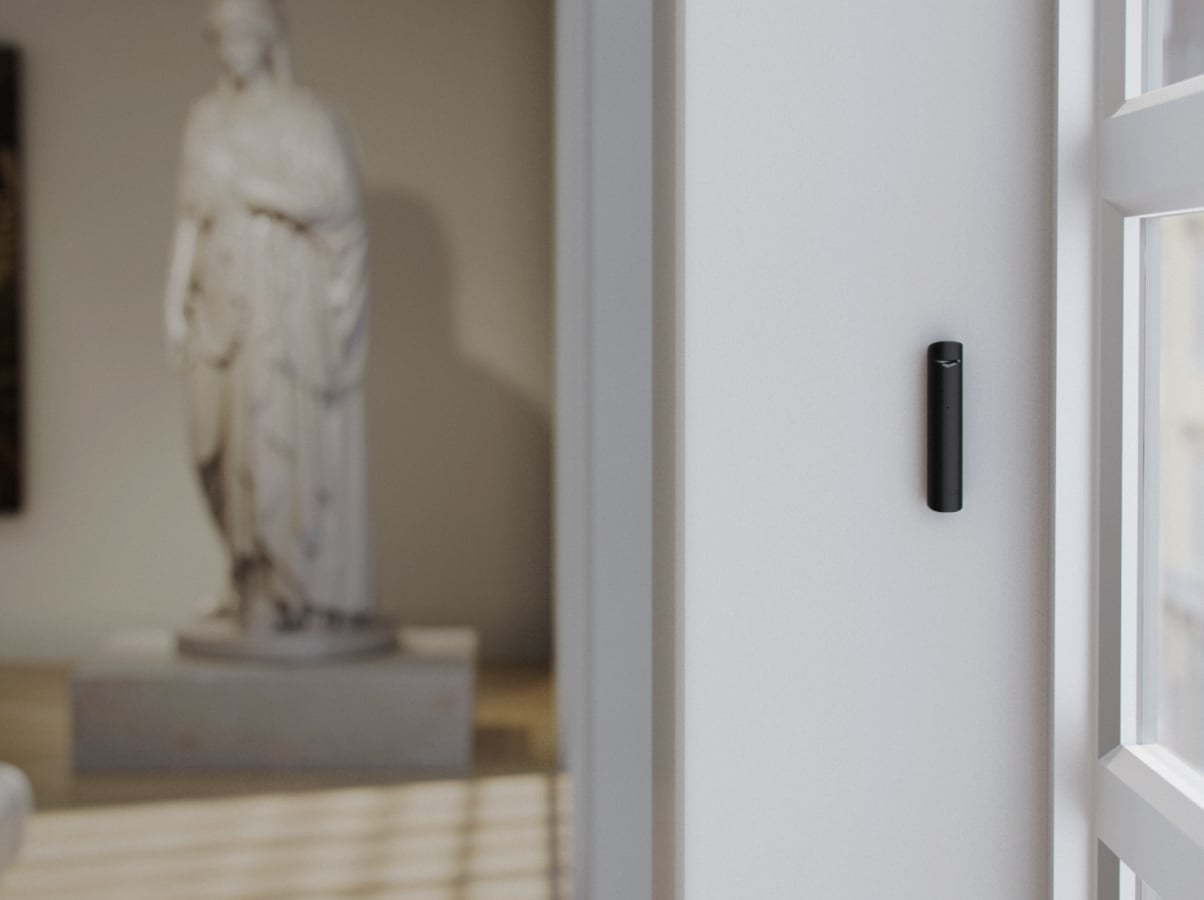
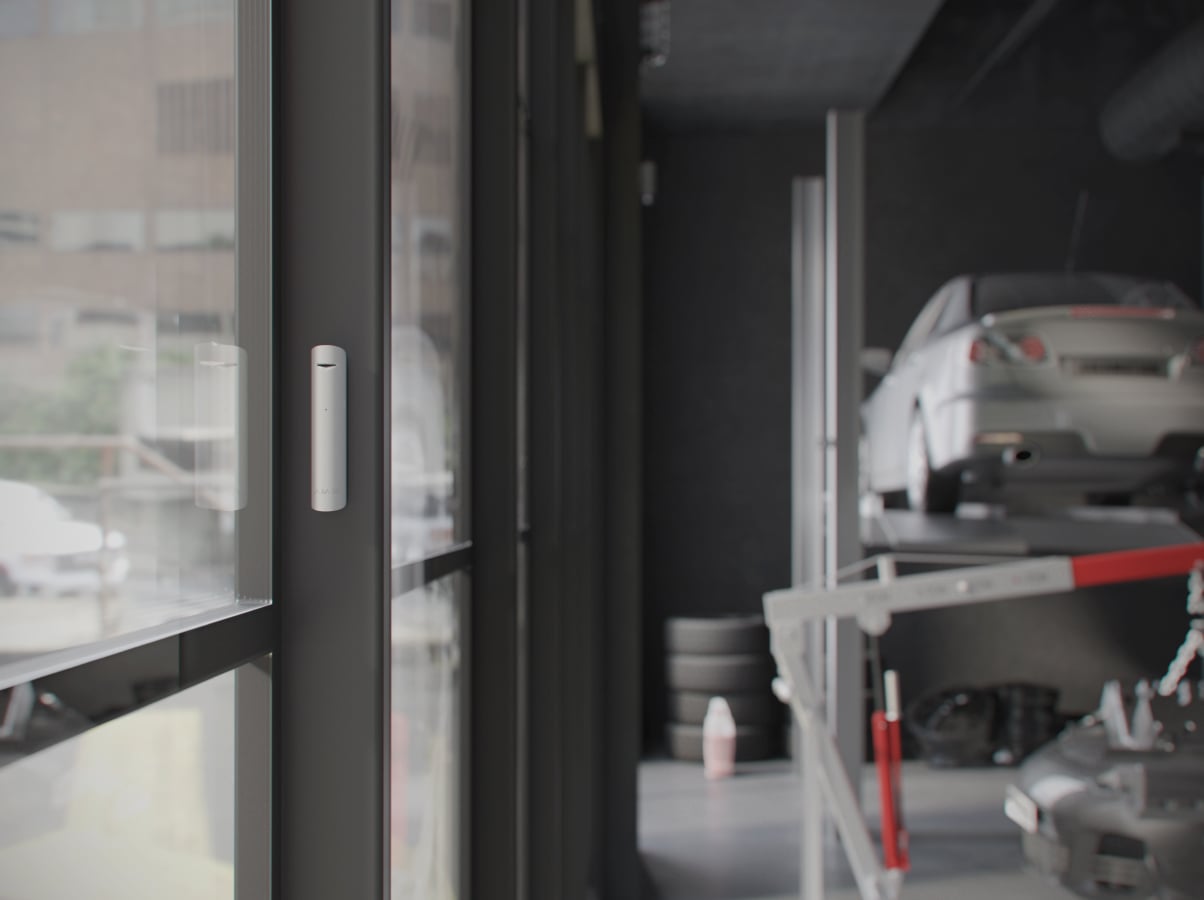
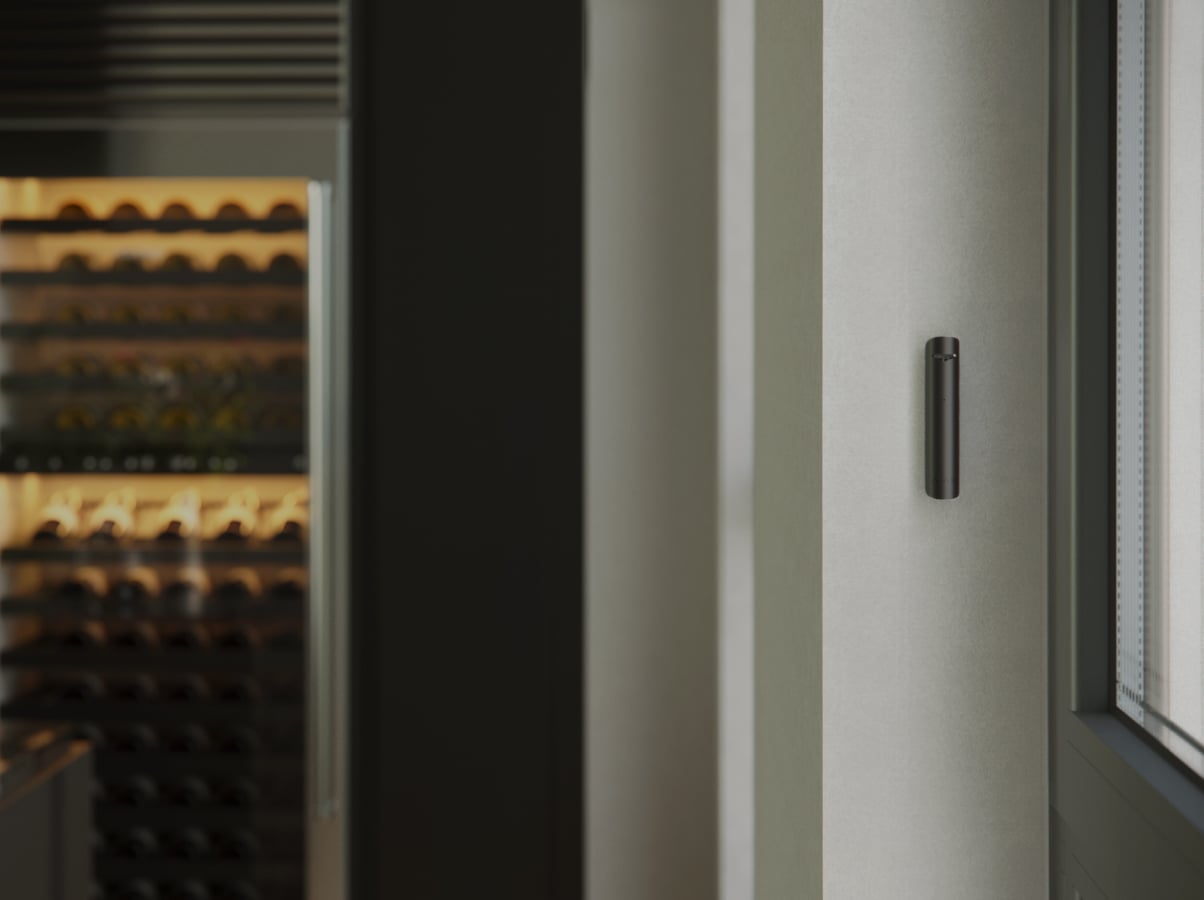
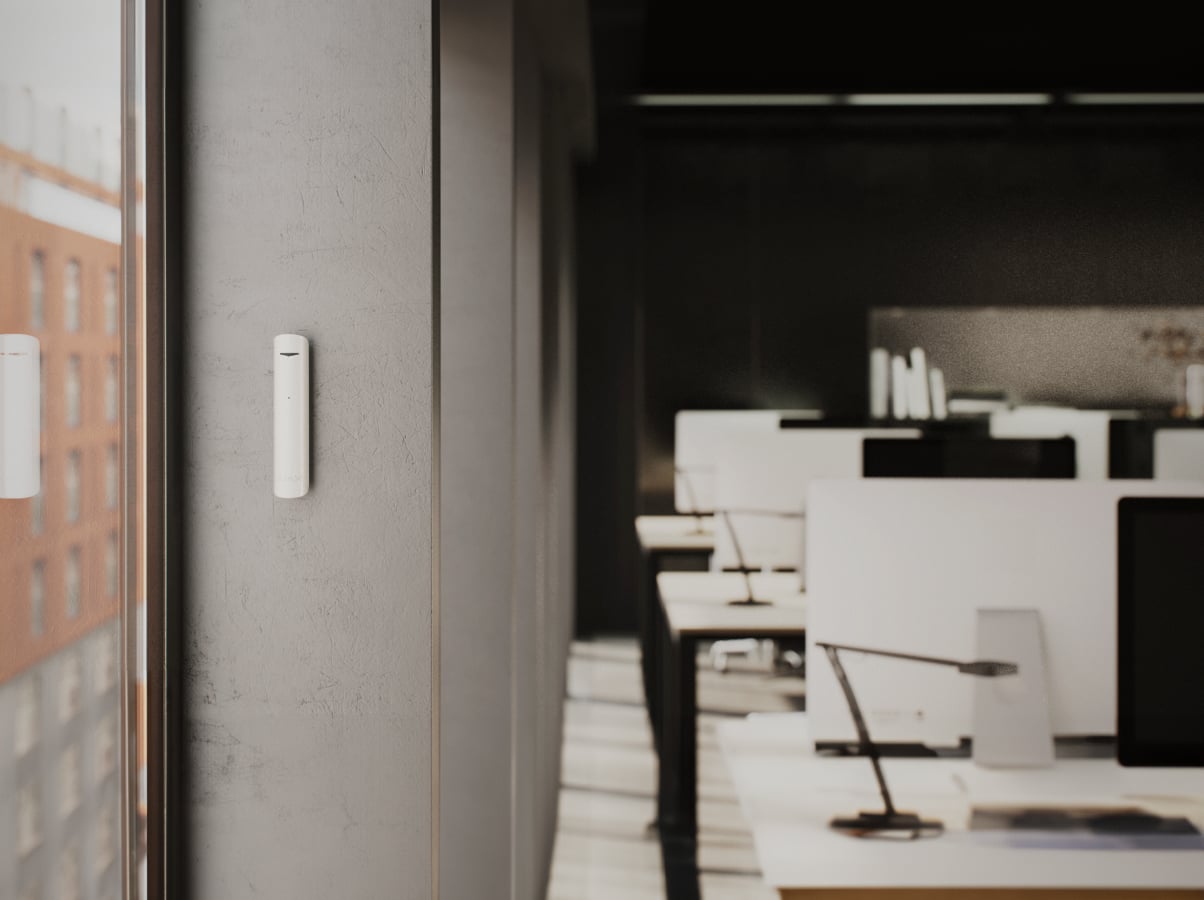
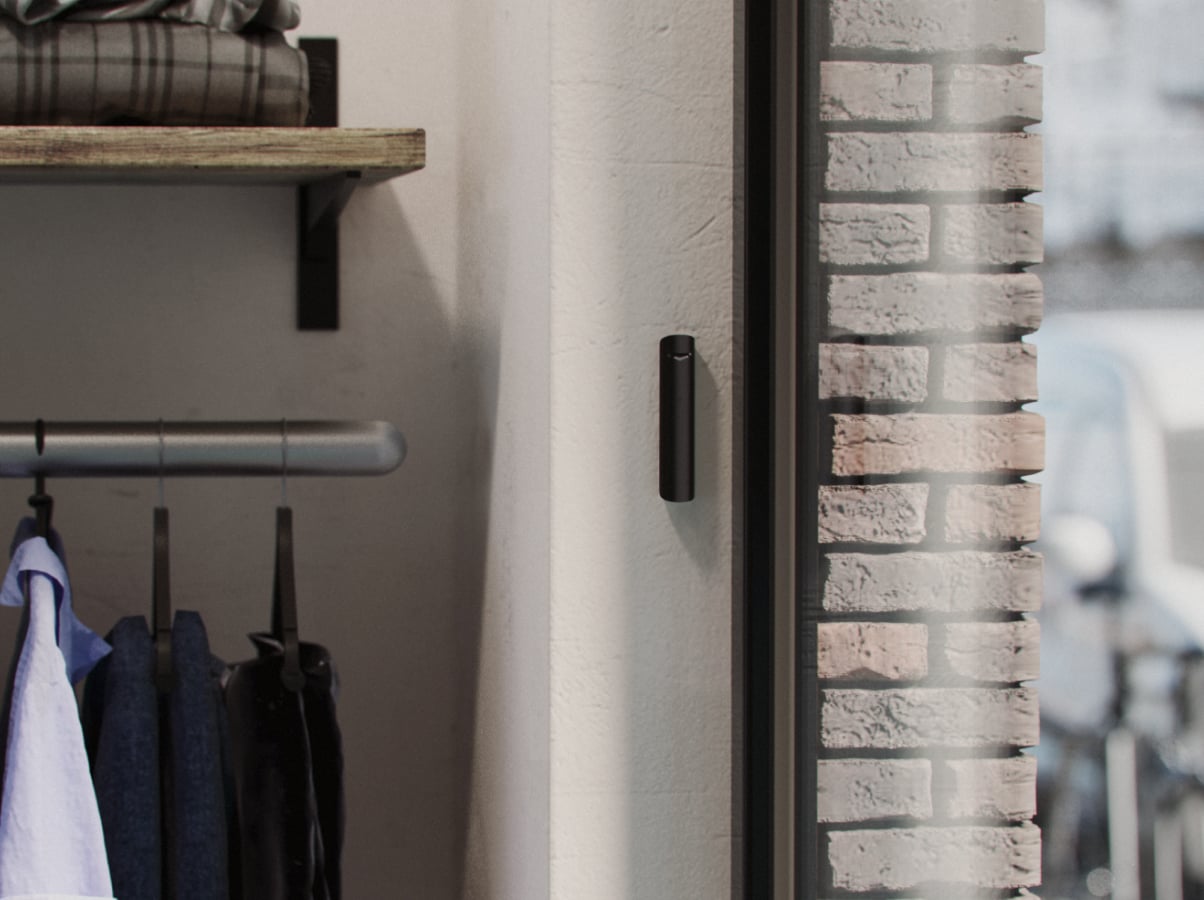
Superior GlassProtect Fibra
Every detail has a purpose.
Explore the function, installation and system requirements of Superior GlassProtect Fibra.
Loading detail…
Recognise the sequence of breaking glass.

Two sounds, one verified event
An electret microphone listens for a low-frequency impact followed by the high-frequency sound of falling glass within 1.5 seconds. DualTone checks that sequence before reporting glass breakage, helping reject unrelated noise. Choose one of three sensitivity levels and test the actual windows.
Detection range: 0.3–9 m with a 180° horizontal angle. The specified glass area starts at 400 × 400 mm; maximum range depends on glass type and High sensitivity. These detectors do not detect breaking glass covered by any film. Use an appropriate shock detector for film-covered glass.
Fit detection to the actual room.
Give the microphone a clear path
Position the microphone with an unobstructed sound path to the protected glass, at no more than 90° to the window. Curtains, partitions, fans, speakers and sirens can affect detection or cause interference.
Use indoors only, −10 to +40 °C and up to 75% humidity. Test from the real windows with the room furnished as it will be used.
Bring a nearby contact into the same system.
A separate normally closed detector
The input accepts a compatible wired NC contact, such as an opening detector. Keep the connecting cable no longer than 1 m and enable the external contact in the Ajax app.
This input does not supply power. Any additional powered detector needs its own suitable supply.
Hear a door while the system is disarmed
Chime can announce the opening of the connected external contact through a compatible Ajax siren. Configure the external contact and siren together.
Chime applies to the connected opening contact, not to the microphone hearing broken glass. The GlassProtect detector itself has no doorbell speaker.
A wired connection to the whole system.
Fibra carries power and events
A four-core Fibra cable connects the detector to a compatible wired Ajax hub. Two-way communication, encrypted data and device authentication help protect the connection. The detector has no camera and requires the hub to manage the system.
Up to 2,000 m on a beam with U/UTP cat.5 4 × 2 × 0.51 mm (24 AWG) copper cable, subject to the complete cable and load calculation. Check the selected hub, topology and firmware; a ring has different limits.
Plan power for the whole Fibra line.
Powered through the four-core cable
The detector receives power from its compatible Fibra system. It has no replaceable detector battery; backup depends on the hub and any powered modules in the cable route. The operating input is 5–30 V DC, with 24 V DC nominal.
Use the Fibra power calculator with this exact model and cable layout. Ask the installer to confirm both the rated power and peak-current requirement before sizing the circuit.
Protection that also checks itself.
Report enclosure or mounting interference
Secure the specified mounting points and holding screw so the tamper can respond to enclosure opening or removal. Test the events after final fixing.
Hardware views above show the exact tamper arrangement; the number and position of switches depend on the model.
Notice a lost connection
The hub regularly exchanges data with the detector and reports a fault or lost connection with the device and room identified.
A 36-second detection example requires 12-second polling and three missed packets. Other settings change this time. Connection supervision does not guarantee uninterrupted alarm delivery.
Check the device identity
Encrypted communication and device authentication help protect event data and reject a substituted device. Professional monitoring, when required, is arranged with a monitoring provider.
These detectors have no camera. Photo or video verification needs separate compatible equipment.
Plan the cable, then test the room.
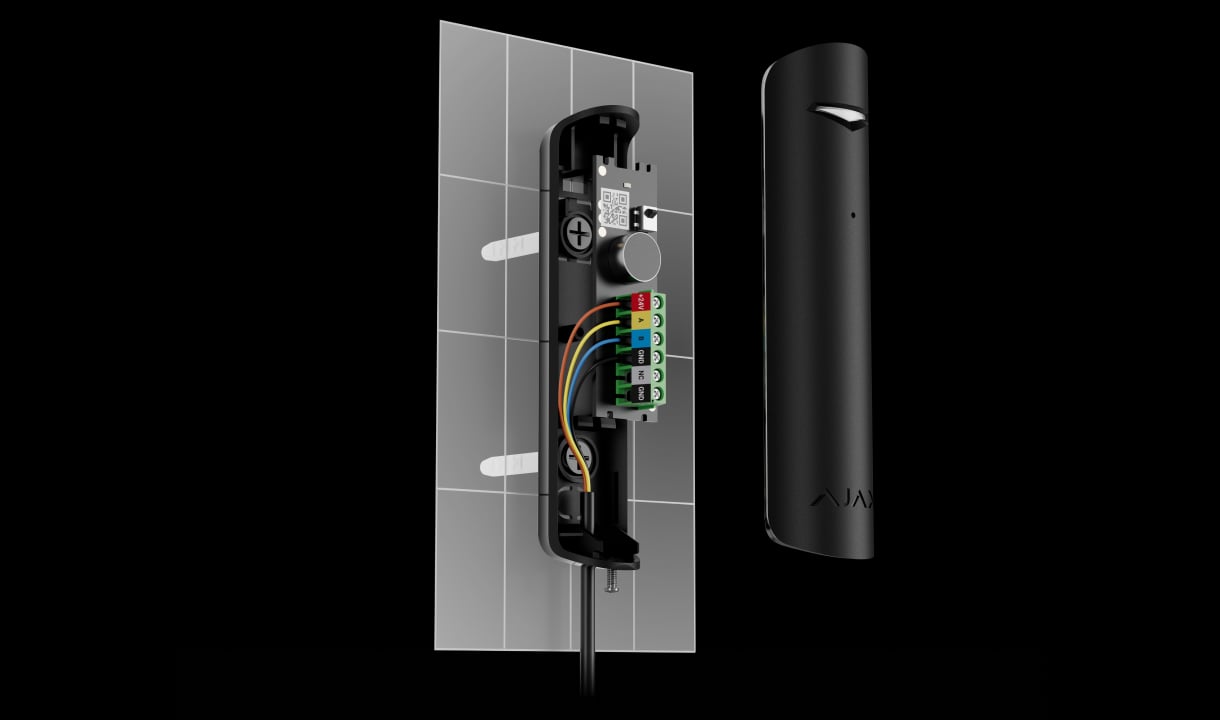
Prepare the connection with power isolated
An accredited Ajax partner plans the route and disconnects external power and the hub backup battery before wiring. Use the correct terminal board, cable openings and secure fixing points from the exact manual.
Find the right glass-break detector.
Compare protection for your glazing, including CombiProtect with room-motion detection. Check the glass, sound path and installation before choosing a detector.
Compare glass-break detectors →Every detail, in one place.
Communication
- Fibra communication technology
- Proprietary wired communication technology. Fibra combines the reliability of wires with the freedom of radio connection. It features: Two-way communication. Advanced anti-sabotage. Instant notifications. Remote configuration through an app.
- Line connection
- 4-core cable
- Fibra line length
- up to 2,000 meters When using the U/UTP cat.5 twisted pair.
Detection
- Sensing element
- 1 × electret microphone
- Glass break detection distance
- from 0.3 to 9 meters
- Glass break detection angles
- horizontal — 180° vertical — N/A
- Sensitivity
- 3 levels Sensitivity can be adjusted by PRO or user with admin rights in an Ajax app.
- False alarm prevention
- DualTone Two-factor glass break verification software algorithm: by low and high frequencies.
Glass break characteristics
- Minimum glass size
- 400 × 400 mm Detection distance is up to 9 m for all glass types when the High sensitivity level is selected.
- Type of glass and its thickness:
- standard pane — 4 mm insulated glass — 4 mm tempered glass — 6 mm
Anti-sabotage protection
- Tampering alarm
- Alerts of attempts to detach the detector from the surface.
- Protection against forgery
- Device authentication
Power supply
- Detector’s operating voltage range
- 5−30 V⎓, up to 47 mW The detector is powered by the control panel.
- Detector’s nominal operating voltage
- 24 V⎓
- Quiescent detector’s current consumption at nominal voltage
- 0.06 mA
- Maximum detector’s current consumption at nominal voltage
- 6.1 mA
Enclosure
- Dimensions
- 90.5 × 21 × 18.5 mm
- Weight of the black device
- 16 g
- Weight of the white device
- 18 g
- Operating temperature range
- from −10 °C to +40 °C
- Operating humidity
- up to 75%
- Protection class
- IP50
What’s in the box
- Superior GlassProtect Fibra
- Installation kit
- Quick start guide
For your installation
- Selected as part of an installer-reviewed security or automation project.
- Fibra needs a supported hybrid control panel, checked cable type and topology, termination and a complete power budget. Existing alarm cabling is not automatically suitable.
- Device is designed for indoor use only.
Product documents.
Find the right protection.
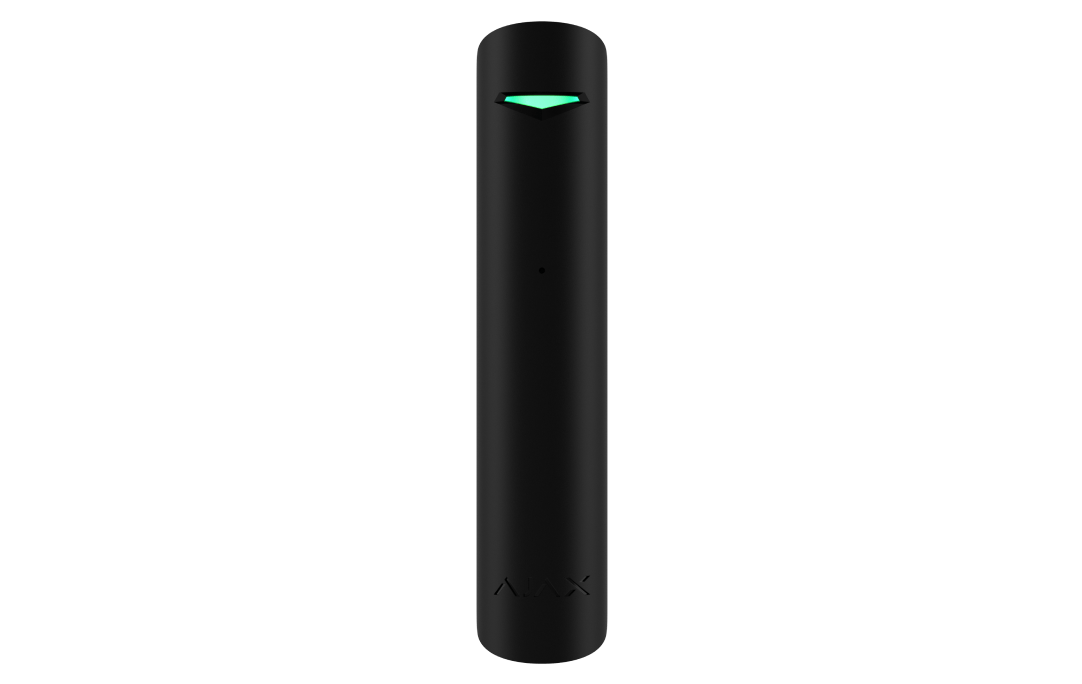
Superior GlassProtect Jeweller
Explore the corresponding model and its own connection and power requirements.
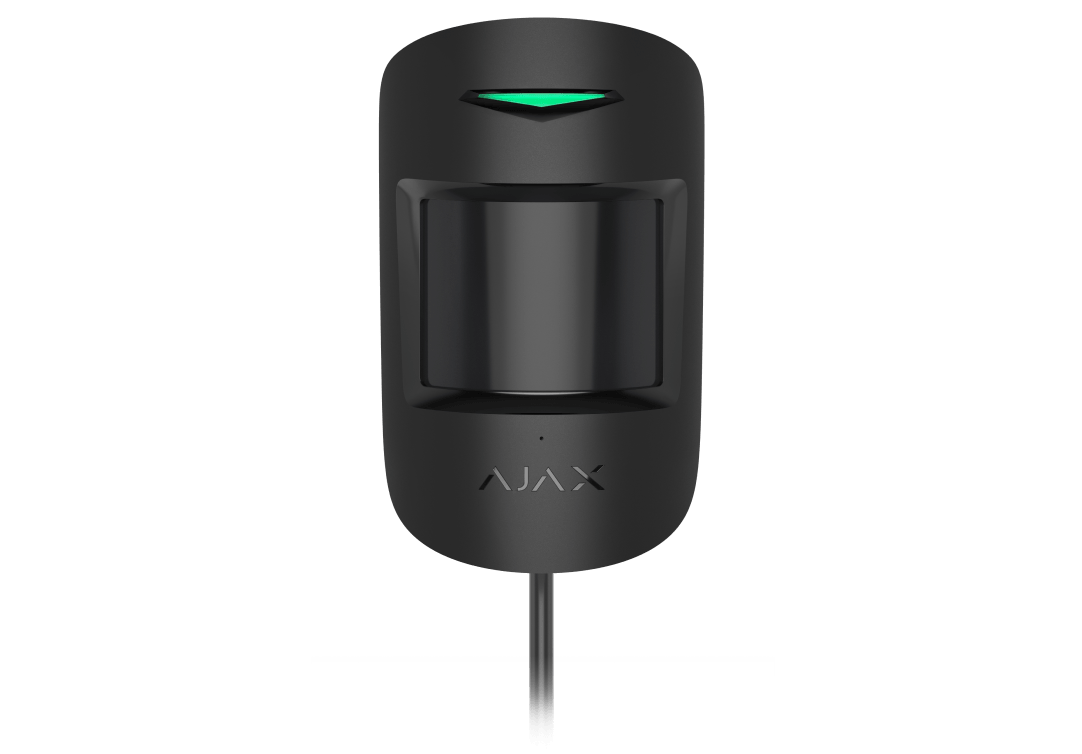
Superior CombiProtect Fibra
Choose glass-break detection on its own or combined with a motion sensor.
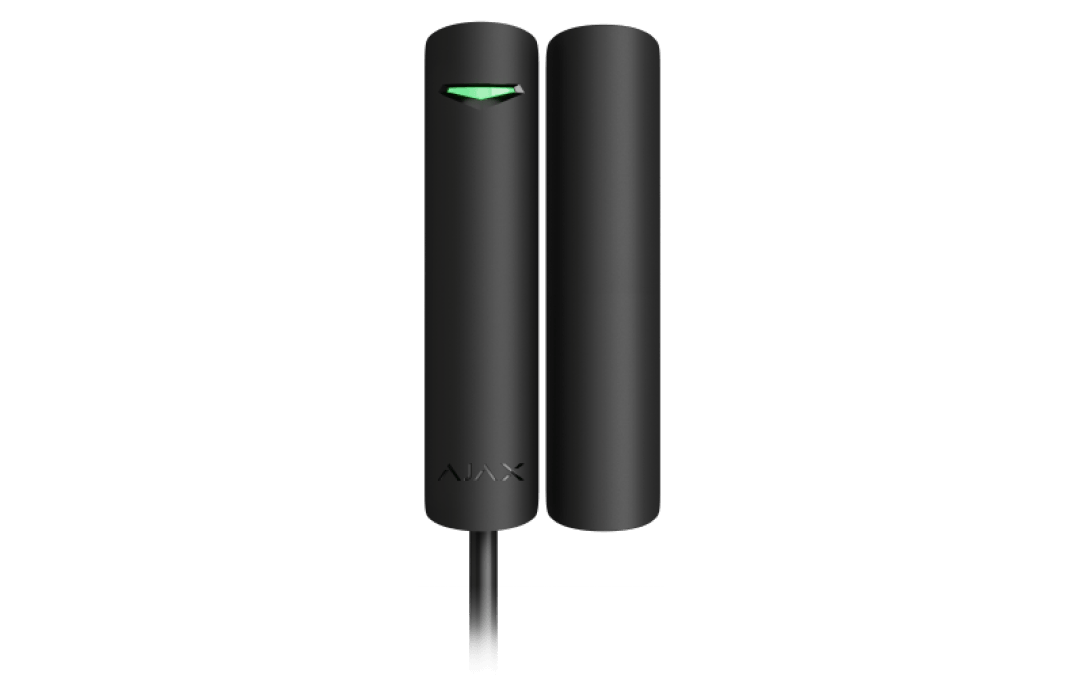
Superior DoorProtect Plus Fibra
Consider shock detection where a film changes the sound of breaking glass; confirm the surface and mounting.